

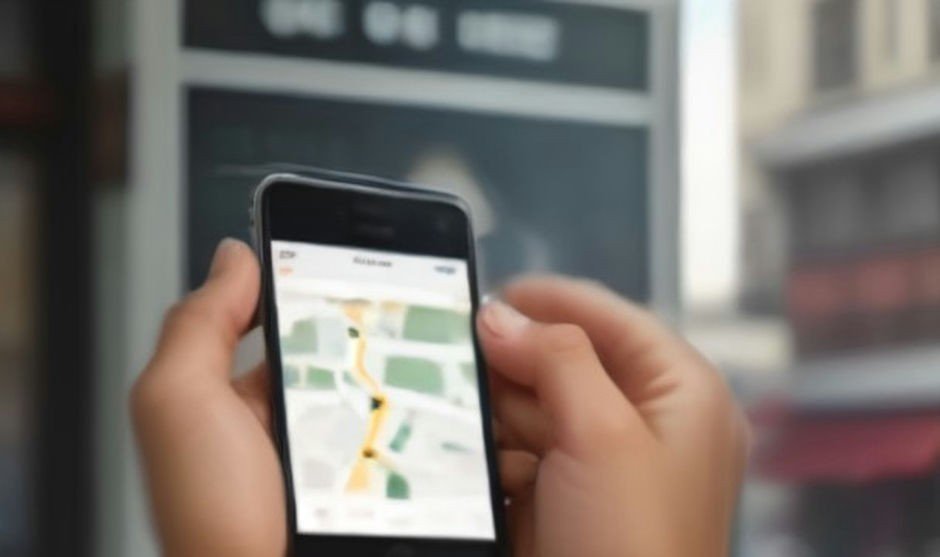
Picture this. A homeowner’s water heater bursts at 7 AM. She grabs her phone, types “plumber near me,” and calls the first business that looks legit. She doesn’t scroll past the map. She picks one of the three names with a map pin, checks the stars, and taps call.
That is local SEO, in one scene. It’s the work of making sure your business is one of the names she sees — and the one she trusts enough to call.
What Is Local SEO, in One Paragraph?
Local SEO is everything you do to show up when people nearby search for what you sell. It covers your Google Business Profile (the listing behind your map pin), your website, your reviews, and your business details everywhere else online. When someone searches “dentist near me” or “best roofer in Dallas,” local SEO decides whether your business appears — and whether the searcher picks you or the company across town.
It matters because local searches are buying searches. Nobody Googles “emergency plumber” for fun. They have a problem, a phone in their hand, and money to spend. The businesses that show up in that moment get the call.
Our Local SEO Services cover the full setup — profile, website, reviews, and listings — for dentists, plumbers, HVAC companies, and other local businesses.
Where Local Customers Actually Find You
A customer looking for a local business can find you in four places, and local SEO feeds all four:
- The map pack. The block of three business listings with a map that sits at the top of most local searches, and in the Maps app too. Those three spots get the lion’s share of calls. This is the prize most local SEO work is aimed at.
- Local organic results. The regular website links below the map. Your service pages compete here — your “plumber in Austin” page against every other plumber’s version of the same page.
- AI answers. Google’s AI Overviews, and assistants like ChatGPT, now answer “who’s the best dentist near me” directly, pulling from your profile, website, and reviews.
One important fact: you can’t pay Google for a better spot in the map pack. Google says so itself. Ads can buy the top of the page, but the organic map listings have to be earned.
How Does Local SEO Work?
Google ranks local businesses on three things. It publishes them openly, so there’s no mystery here:
- Relevance — do you match the search? If someone searches “furnace repair,” Google looks for businesses that clearly offer furnace repair: the right category on your profile, the service listed, and a page on your website about it. Vague profiles and vague websites lose to specific ones every time.
- Distance — how close are you to the searcher? You can’t change where your business is. But distance isn’t everything: a business with a complete profile and a hundred recent reviews regularly outranks a closer business with a half-empty listing.
- Prominence — how well-known and trusted are you? This is the slow one. Google looks at how many reviews you have and how recent they are, how many websites link to you, and how often your business is mentioned online. It’s basically your reputation, measured. And it’s the factor most small businesses neglect — then wonder why the company with 200 reviews keeps beating them.
Local SEO vs Regular SEO: What’s the Difference?
Regular SEO tries to rank a website for anyone, anywhere — a national guide, a product page, a blog post. Local SEO tries to rank a business for people in a specific place. The tools overlap, but the priorities are different.
With regular SEO, your website does almost all the work. With local SEO, your Google Business Profile does a huge share of it — for many small businesses, the profile brings in more calls than the website does. A plumber with a perfect profile and a mediocre website will usually beat a plumber with a great website and a neglected profile.
How Long Does Local SEO Take?
The honest answer: you’ll usually see the first movement in 4–8 weeks — a better map position here, a few more calls there — if the basics were broken and you fix them properly. Real, lasting results take 3–6 months of steady work.
Why so long? Because prominence takes time. You can’t earn 50 genuine reviews in a week without breaking Google’s rules. One or two reviews a week, every week, beats a burst of twenty followed by silence — Google rewards businesses that look alive.
And once you’ve earned a top-three map spot, it tends to stick. That’s what makes local SEO different from ads: when you stop paying for ads, the calls stop the same day. When you stop doing SEO, the rankings fade slowly, over months. You’re building an asset, not renting attention.
What to Fix First: The 7-Step Starter List
If you do nothing else this month, do these seven things, in this order:
- Claim and verify your Google Business Profile. If you haven’t claimed it, someone else’s wrong information might be showing.
- Pick the right primary category. This is the single strongest lever on the profile. “Plumber” beats “Home Improvement” for a plumber. Be exact.
- Fill in everything. Services, hours, phone number, website, description, service areas. Empty fields are missed chances.
- Fix your name, address, and phone number everywhere. Your website, your profile, Yelp, Facebook — all identical. One wrong digit in one directory confuses Google and costs you rankings.
- Add real photos. Your shopfront, your team, your work. Not stock photos — customers can tell.
- Ask every happy customer for a review. Text them a direct link while the job is still fresh. Don’t offer discounts for reviews; Google forbids it.
- Build one page per service on your website. “Local SEO for plumbers” works because plumbers have a page about plumbing in their city — not because their homepage mentions plumbing once. The same rule applies to local SEO for contractors: one clear page per service, per area you serve.
Do those seven and you’ve passed most of your local competitors already. The rest — content, links, posts, fine-tuning — builds on top of this foundation.
For a worked example in one niche, see our Local SEO for Dentists guide.
What Does Local SEO Cost?
For a small business, a managed local SEO plan typically starts from $499/month — profile management, website pages, review follow-up, and local content. Doing it yourself costs nothing but time, and the seven steps above are genuinely doable on your own if you have a few hours a month. For reference, a hearing-care client we worked with now ranks on page one for 62 keywords — built the same way, basics done right week after week.
What matters isn’t the price tag; it’s whether the work actually happens every week. Local SEO fails quietly. Nothing breaks. The phone just slowly rings less, and by the time you notice, a competitor has spent six months building the lead you’ll need six months to take back.
FAQ
What is local SEO in simple terms?
Local SEO is the work of getting your business to appear when nearby customers search for what you sell — in the map pack, Google Maps, and local search results. It covers your Google Business Profile, your website, your reviews, and your business listings across the web.
How does local SEO work?
Google ranks local businesses on three factors: relevance (do you match the search), distance (how close you are to the searcher), and prominence (how well-known and trusted you are, shown by reviews, links, and mentions). Local SEO improves all three.
How long does local SEO take to work?
First movement usually shows in 4–8 weeks, with solid, lasting results in 3–6 months. Map pack changes can appear faster than website rankings, because profile fixes take effect quickly. Competitive cities take longer than small towns.
Do I need a website for local SEO?
You can appear in the map pack with just a Google Business Profile, and some businesses get most of their calls that way. But a website with a page for each service wins the organic results below the map and builds trust. If you’re serious about local search, you need both.
Still not sure where your business stands? Get your free SEO audit — it shows you exactly that: your map pack position, your profile gaps, and your review standing against the top three competitors in your area. We send the findings within 24 hours, free, with no obligation.